Via Ferrata Near Mostar: A Practical Guide
Can beginners do via ferrata near Mostar without climbing experience?
Yes. The routes around Hum Hill and Boracko Lake are set up as guided via ferrata, meaning cables, ladders, and clips replace technical climbing skill. A certified guide supplies the harness, helmet, and lanyards, briefs you on clipping technique, and stays with the group throughout, so no prior experience or personal gear is required.
Why Via Ferrata Is Mostar’s Easiest Way Into the Mountains
Herzegovina’s landscape is built out of limestone, and around Mostar that limestone rises into sheer cliffs within a short drive of the old town. Via ferrata — Italian for “iron road” — is the way most visitors get onto those cliffs without owning a rope or ever having climbed before. Fixed steel cables run along the rock face, with metal rungs, ladders, and the occasional short suspension bridge bolted in at the harder sections. Climbers clip a harness to the cable with two lanyards and move along it hand over hand, never disconnected from the line.
That single design choice is what makes via ferrata different from rock climbing or canyoning: the hardware does the work of keeping you attached to the mountain, and a guide does the work of teaching you how to use it. Near Mostar, the two main areas are Hum Hill, the ridge that already overlooks the city with its landmark cross, and the Boracko Lake area further toward Konjic, where routes run above turquoise water rather than over the city itself. Both sit close enough to Mostar for a half-day outing, and both are run exclusively as guided activities — nobody hands you a harness and points you at the cliff.
How Via Ferrata Works: Cables, Harnesses, and a Certified Guide
Every commercial via ferrata route near Mostar operates the same way. A certified guide meets the group, fits each person with a climbing harness and helmet, and attaches a via ferrata lanyard set — two short ropes ending in locking carabiners, connected to the harness through a shock-absorbing unit. Before the route starts, the guide demonstrates the clipping sequence: one carabiner stays attached to the cable at all times while the other moves past anchor points, so a climber is never fully disconnected even while repositioning at a bolt.
The guide then leads the group along the route, checking clips at each anchor, pacing the group through exposed sections, and managing rest stops at the more sheltered ledges. This is not a supervised-from-a-distance activity: the guide is on the cable with the group, within sight and voice range throughout. That supervision is what allows operators to accept complete beginners, including many families, on the easier routes — the equipment removes the technical climbing skill requirement, and the guide removes the judgment and rescue-readiness requirement that would otherwise make the activity dangerous for someone doing it alone.
It’s worth being direct about the piece that sometimes gets glossed over in marketing photos: nobody should attempt these routes without a harness, a lanyard set, and a guide who knows the route and can respond if something goes wrong. The cables make the climbing possible; the guide and gear are what make it safe.
Where the Routes Are: Hum Hill, Boracko Lake, and Beyond
Hum Hill is the closer option to central Mostar and the one most day-trippers choose, since it can be combined with a viewpoint stop over the city and the Stari Most far below. Routes here tend to be shorter and better suited to first-timers and families, with graded sections rather than one long continuous exposure.
Further out toward Konjic, the Boracko Lake area offers routes set above the lake itself, with longer traverses and views that trade the cityscape for glacial-lake water framed by forested slopes. Some operators run combined days that link a via ferrata segment with a broader look at the Blidinje-Prenj high country, for climbers who want the mountains beyond Herzegovina’s lowland karst as well.
Because both areas sit within roughly 30 to 60 minutes of Mostar, most bookings are structured as a half-day or full-day pickup from the city, rather than requiring your own transport to a trailhead.
Difficulty Levels: From First-Timers to Experienced Climbers
Operators grade routes loosely along the international via ferrata scale, though marketing terms vary. The table below gives a practical sense of what to expect rather than a formal certification.
| Level | Typical terrain | Who it suits |
|---|---|---|
| Introductory | Short cabled sections, ladders, gentle exposure | First-timers, families with children around 8+ |
| Intermediate | Longer traverses, some vertical ladder sections, sustained exposure | Comfortable with heights, reasonable fitness |
| Advanced/combined | Extended routes, possible link with hiking or a second via ferrata segment | Experienced climbers or repeat via ferrata visitors |
Most bookings aimed at general travelers default to the introductory or intermediate tier. If a route description doesn’t specify a level, ask the operator directly before booking — this is one detail worth confirming rather than assuming.
What’s Included, What It Costs, and How to Book
A guided via ferrata booking near Mostar typically bundles the same core elements: harness, helmet, lanyard set, guide, and safety briefing. Transport from Mostar is usually included or offered as an add-on; food and water generally are not, so bring your own.
For families or first-time climbers looking for the gentlest introduction, the Mostar via ferrata route built for everyone, families included is designed around that lower difficulty tier. Climbers who specifically want the Hum Hill route with its city views can look at the Hum Hill via ferrata climb directly.
For visitors basing themselves further out, the guided day trip to Boracko Lake pairs the lake scenery with a via ferrata segment, and travelers coming from Sarajevo who want to fit a climb into a single Mostar day can consider the Mostar day trip that includes a via ferrata climb as part of a broader itinerary.
Booking in advance is worth doing in July and August, when Herzegovina’s peak season fills guided slots quickly; shoulder-season visitors generally have more flexibility to book a day or two ahead.
Getting There From Mostar, Split, Dubrovnik, and Sarajevo
Travelers already staying in Mostar have the easiest logistics — most operators include hotel or central pickup, and the drive to either Hum Hill or Boracko Lake is short. For a broader look at how many days that leaves for the rest of the region, see how many days to budget for Mostar.
Visitors coming from the coast, particularly from Split or Dubrovnik, more often combine via ferrata with a broader Mostar day trip rather than a standalone activity, since the drive itself already takes a few hours each way. Those coming from Sarajevo have a similar calculation: via ferrata works best folded into a full day that also covers the old town rather than a separate trip.
What to Wear and Bring
Closed-toe shoes with real grip are non-negotiable — sandals or flat-soled shoes aren’t accepted on the cables. Wear clothes you can move in, avoid anything with loose straps or drawstrings that could snag on hardware, and bring layers if starting early in the morning, since mountain air near Boracko Lake runs cooler than the city. Sun protection matters more than most visitors expect: much of the cliff terrain has little to no shade, and Mostar’s summer heat (see when to come to Mostar month by month and the summer heat in Mostar) extends into the surrounding hills.
Bring water, since operators generally don’t supply it mid-route, and pack anything valuable in a small bag that can be secured — most guides will ask you to leave loose items with the vehicle rather than carry them on the cable.
Safety, Certification, and Why You Can’t Do This Alone
It bears repeating plainly: via ferrata near Mostar is not a self-guided activity, and the cables alone don’t make it safe to attempt without a professional. A certified guide checks that every harness is fitted correctly, that lanyards are clipped in the right sequence, and that the group’s pace matches conditions on the day — wind, wet rock after rain, or a climber who needs more time at an exposed section. None of that oversight exists if someone tries to access the hardware independently, which is also why legitimate operators don’t offer unguided rentals of via ferrata gear near Mostar.
The same caution that applies on the cables applies to the surrounding terrain. Herzegovina still has rural areas affected by landmines and unexploded ordnance left from the 1992–1995 war — a small fraction of the country’s territory, concentrated in remote countryside rather than towns, roads, or marked trails. Established via ferrata routes and their approach paths are cleared and safe; the relevant rule is the general one for the region: stay on marked routes, don’t cut through open countryside off-trail, and never approach anything resembling old military hardware. For the fuller picture, see safety and landmines in rural areas.
Via Ferrata vs Canyoning vs a Trebinje Zipline: Picking the Right Adventure
Herzegovina’s adventure operators offer several activities that get lumped together by first-time visitors but work quite differently. Via ferrata keeps you on a dry cliff face, clipped to a cable, moving mostly upward or across. Canyoning in the Neretva gorges is a different sport entirely — descending through a river canyon with rappels, jumps, and swims, using wetsuits and rope work rather than harness-and-cable climbing. A separate zipline experience runs near Trebinje at Fortica, which is a single-line descent rather than a multi-pitch climbing route, and shouldn’t be confused with via ferrata even though both involve a harness.
If you’re drawn to moving water and swimming as much as climbing, canyoning or rafting on the Neretva will suit you better than via ferrata. If you want to move vertically along rock with a guide managing the technical side, via ferrata is the more direct match.
Combining Via Ferrata With the Rest of Your Herzegovina Trip
Because Hum Hill and Boracko Lake both sit close to Mostar, via ferrata slots naturally into a broader stay rather than requiring a dedicated trip. A two-day Mostar itinerary leaves room for one adventure activity alongside the old town, while travelers building a longer regional trip often pair a via ferrata morning with an afternoon in Konjic or a hike toward Blidinje and Mount Prenj. For a wider look at the region’s outdoor options and what to pack for them, see the Herzegovina hiking packing checklist.
Families weighing whether via ferrata suits their children, alongside other adrenaline activities on offer, should check what age is right for rafting and via ferrata with kids before booking, since age and height limits differ by operator and by route. For a fuller catalog of guided adventure options around the city, the via ferrata and climbing category page lists what’s currently bookable, and travelers weighing a broader multi-activity day can look at the full-day Mostar and Herzegovina tour that pairs sightseeing with an adventure stop.
Via Ferrata Near Mostar: Frequently Asked Questions
Do I need climbing experience to try via ferrata near Mostar?
No. Via ferrata routes near Mostar are built for guided use, with fixed steel cables, rungs, and ladders that let non-climbers move safely with a harness and two lanyards. A guide demonstrates clipping technique before the route starts and stays with the group the entire time.
What equipment is provided, and what should I bring myself?
Operators supply the harness, helmet, via ferrata lanyard set, and gloves. You bring closed-toe shoes with grip, clothes you can move in, water, and sun protection, since most routes near Mostar have little shade.
How difficult are the routes at Hum Hill and Boracko Lake?
Hum Hill routes are generally graded for beginners and families, with shorter exposed sections and rest points, while some Boracko Lake and combined itineraries add longer traverses and more sustained exposure suited to people who already feel comfortable with heights.
Is via ferrata safe for children and teenagers?
Many operators accept children from around 8 to 10 years old on the easier routes, always with a harness fitted to their size and a guide’s direct supervision, but minimum ages and height requirements vary by outfitter, so confirm before booking.
How long does a via ferrata outing take, including transport from Mostar?
A single route with briefing and safety checks typically runs two to three hours on the rock itself; add transfer time from central Mostar and the full outing usually fills half a day.
What is the difference between via ferrata and canyoning near Mostar?
Via ferrata moves you along a cliff face on fixed cables and ladders in the open air, while canyoning descends through a river gorge with rappels, jumps, and swims through the water itself; they use different gear and different terrain, and this guide covers via ferrata only.
What should I wear, and is there a weight or fitness requirement?
Wear closed shoes with good grip, avoid loose clothing that could catch on cables, and expect a moderate fitness requirement, since routes involve sustained arm and leg effort; most operators set a maximum weight limit for harness safety, typically confirmed at booking.
When is the best season for via ferrata near Mostar?
Late spring through early autumn offers the most reliable conditions, since wet rock is slippery and unsafe on cables; midsummer routes are hot with little shade, so many guides prefer early morning starts from June through August.
Via ferrata and climbing on GetYourGuide
Verified deep-linked GetYourGuide tours. Book through these links and we earn a small commission at no cost to you.
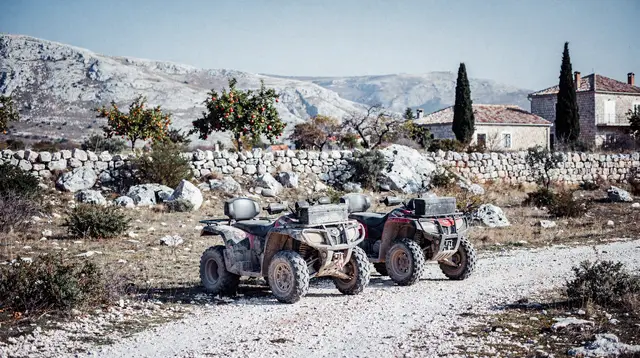
GetYourGuide does not provide a product photo for this activity — the image shows the meeting point, photographed by us.