Canyoning in the Neretva Gorges: A Practical Guide
Is canyoning near Mostar suitable for beginners?
Canyoning in the Neretva gorges combines rappelling, guided jumps and swimming through narrow limestone channels, and it always requires a certified guide and full safety gear — it is not a self-guided activity. Reasonable fitness and comfort in cold water help, but no prior climbing experience is needed since guides set every rope, anchor and jump.
A vertical way to see the Neretva canyon
Most visitors experience the Neretva canyon from a raft or from the road that follows the river between Konjic and Jablanica. Canyoning shows the same limestone country from a completely different angle: you drop into the narrow side gorges cut by tributary streams, rappel down wet rock faces, swim through cold, clear pools, and scramble over stone shaped by centuries of moving water. It is slower in some sections and far more physical in others than a straightforward river float, and it belongs to a different category of activity than the via ferrata routes near Mostar, which climb dry, fixed cables rather than descend through a watercourse.
This guide covers what canyoning in this part of Herzegovina actually involves, who it suits, what gear and guiding it requires, and how it compares to the Neretva’s other river-based activities. It does not cover rafting on the main river itself — for that, see the dedicated rafting guide — and it does not cover via ferrata, which is a separate rope discipline with its own guide linked above.
What canyoning actually means here
Canyoning — sometimes called canyoneering — is the sport of descending a narrow gorge using whatever combination of walking, swimming, sliding, jumping and rappelling the terrain demands. Around the Neretva canyon, that typically means:
- Rappelling down short rock faces on a fixed rope, controlled by a descender device, with the guide managing the rope from above or below.
- Guided jumps into deep, clear pools, from heights the guide has checked in advance for water depth and hidden rock.
- Swimming and wading through cold pools and narrow channels between rappels.
- Scrambling over wet, polished limestone, often barefoot-feeling even inside a wetsuit boot, which is why footwear matters more here than in almost any other activity in this guide series.
None of this is a spectator activity you can watch from a viewpoint — it happens inside the gorge itself, which is exactly why it needs a certified guide and proper equipment rather than a map and a sense of adventure.
Why this is never a do-it-yourself outing
It is worth being blunt about this, because the temptation exists: the gorges look inviting from a road bridge, and stories circulate about locals swimming sections unguided. For a visitor, canyoning here should always mean a booked trip with a certified guide, inspected ropes, harnesses and helmets, and a route the operator has scouted that day. Water levels in these limestone catchments can shift after rain upstream even when the sky above Konjic or Jablanica looks clear, drops that look jumpable can hide submerged rock, and a wrong turn in a side gorge can strand a group with no easy way back out.
Bosnia-Herzegovina also still carries roughly 1.6% of its territory as suspected mine-affected land from the 1992-1995 war, concentrated in rural, forested and mountainous ground rather than in towns or on marked trails — a reminder relevant to any approach walk to a canyon entrance, and covered in full in the rural safety guide. Established canyoning entry points used by licensed operators are cleared and safe; wandering off on your own toward an unmarked gorge is not the same thing.
Where it happens: the Konjic-Jablanica stretch
The Neretva canyon between Konjic and Jablanica is where most canyoning and combined canyon-adventure trips in this region are based. The main river here is broad enough for rafting, but the side gorges cut by its smaller tributaries — steep, narrow, and shaded by canyon walls — are where the canyoning routes run. Some operators combine a canyon descent with kayaking on calmer stretches of the Neretva, or pair it with a visit to Tito’s Cold War bunker complex near Konjic, turning the day into a mix of adventure sport and Yugoslav-era history rather than a single activity.
Boračko Lake, a glacial lake a short drive from Konjic, is a common staging point and a pleasant place to warm up and dry off after a cold canyon day. Further into the highlands, the Blidinje and Prenj massif feeds some of the same watershed and is better known for hiking than canyoning, but the two areas share the same karst geology that makes this whole stretch of Herzegovina so good for vertical, water-carved terrain.
renting a full harness and rope kit for the Neretva canyon is worth considering even if you plan to book a guided route, since well-fitted personal gear makes the rappelling sections noticeably more comfortable than shared equipment sized for the average client.
Who this suits — and who it doesn’t
Canyoning here rewards a specific kind of visitor: reasonably fit, unbothered by cold water, comfortable following instructions in a group, and genuinely interested in a physical day rather than a scenic float. It suits people who found via ferrata near Mostar appealing but want water in the mix, or who have done the standard Neretva rafting run and want something more demanding on the same river system.
It suits less well: anyone with a fear of heights that extends to rappelling (as opposed to just standing at an edge), anyone who cannot swim confidently, young children, and anyone with a knee or shoulder injury that scrambling over wet rock would aggravate. Operators generally set a minimum age, commonly around twelve, and ask about swimming ability and any relevant health conditions before confirming a booking — answer honestly, since guides plan group pacing and equipment sizing around what clients tell them.
A typical day
Most canyoning days near Konjic and Jablanica follow a similar shape, though exact timing and the number of rappels vary by operator and by route:
| Stage | What happens | Rough duration |
|---|---|---|
| Meeting and briefing | Pickup from Mostar or a local meeting point, safety briefing, gear fitting | 30–45 min |
| Approach | Short walk to the canyon entrance, often on a marked path | 15–30 min |
| Canyon descent | Rappels, swims, scrambles and jumps through the gorge | 2–4 hours |
| Exit and return | Walk out, change into dry clothes, transfer back | 30–60 min |
A full day, including transport from Mostar, typically runs from mid-morning to mid-afternoon. Some operators bundle canyoning with kayaking on a calmer stretch of the Neretva afterward, which extends the day but keeps the physical intensity lower for the second half.
Gear: what’s provided, what to bring
A properly run trip supplies the technical equipment: harness, helmet, rope and descender, and usually a wetsuit rated for the water temperature. What you bring matters just as much for comfort:
- Footwear: closed shoes that can get completely soaked and grip wet rock — old trainers or approach shoes work well. Sandals and flip-flops are not suitable and some operators will turn you away without proper footwear.
- Clothing underneath the wetsuit: quick-drying base layers, not cotton, which stays cold and heavy once wet.
- A dry change of clothes and a towel for after, left in the vehicle or at the meeting point.
- Sun protection for the approach and exit walks, which are often in open, shadeless terrain even though the canyon itself stays shaded and cool.
- A small amount of cash in KM for anything not included, such as photos the guide takes during the descent, which some operators sell as an add-on.
If you would rather use gear fitted to you specifically, especially the harness, arranging a personal climbing and canyon gear rental ahead of your trip is a straightforward way to do that.
Combined canyon adventures
Because the canyon around Konjic and Jablanica offers more than one way to move through it, several operators package canyoning alongside kayaking, or alongside the region’s Cold War history. A combined kayaking and canyon climbing day out of Jablanica pairs a calmer paddling stretch with the more technical rope sections, which suits groups where not everyone wants the same intensity of activity.
Closer to the Cold War bunker complex, a tour combining Tito’s underground bunker with a Neretva canyon excursion near Konjic works well as a day that mixes physical activity with a very different kind of sightseeing. If you would rather stay on fixed cables above the water than descend through it, a via ferrata route overlooking the Neretva is the drier alternative, and pairs naturally with a canyon day on a multi-day itinerary rather than replacing it.
Seasons and conditions
Canyoning routes in this region generally run from late spring to early autumn, roughly May through September. Water levels depend on snowmelt from the surrounding mountains and on rainfall in the weeks before your trip, so a route that ran comfortably last week can be adjusted or postponed after a heavy rain upstream.
Early in the season, meltwater can make some pools colder and faster than mid-summer; late summer generally offers the most settled, warmest conditions for swimming sections. For the exact seasonal pattern of water in this watershed, the best season for rafting on the Neretva guide covers the same river system in more detail, since canyoning and rafting both depend on the same seasonal water cycle even though they use different stretches of it.
Whatever the season, trust the operator’s call on the day. A guide who postpones or reroutes a canyon due to water conditions is doing their job correctly, not being overly cautious.
Getting there from Mostar
Konjic and Jablanica both sit on the main road and rail corridor between Mostar and Sarajevo, roughly forty minutes to just over an hour from Mostar depending on the exact meeting point. Most canyoning operators include pickup from Mostar in their price, which is worth confirming when you book, since arranging your own transport to a specific canyon entrance without local knowledge adds unnecessary complication to a day that already has enough logistics. If you are combining canyoning with a longer stay in the Neretva valley, the broader Neretva nature itinerary suggests how to sequence a canyon day alongside other outdoor stops in the same valley without overloading a single trip.
What to pack in your day bag
- Closed, quick-drying shoes worn on the day (not carried — you’ll wear them under the wetsuit boot or as instructed by your guide)
- A swimsuit worn under your clothes
- A full change of dry clothes left with your bag at the meeting point
- A small towel
- Sun protection and a hat for the approach and return walk
- A basic first-aid mindset: tell your guide about any existing injury before the descent, not partway through it
For a broader packing reference that covers outdoor activities across the region more generally, the Herzegovina hiking checklist is a useful companion, even though canyoning has its own specific gear needs layered on top of general outdoor basics.
Canyoning, rafting and via ferrata: not the same trip
It is worth being precise about what each of these three Neretva-area activities actually delivers, since operators sometimes market them side by side and it is easy to assume they are interchangeable:
| Activity | Setting | Physical demand | Gets you wet |
|---|---|---|---|
| Canyoning | Narrow tributary gorges | High — climbing and swimming | Fully |
| Rafting | Open main river | Moderate — paddling, seated | Partially |
| Via ferrata | Dry rock face | Moderate to high — upward climbing | No |
If you are choosing between them for a single free day, canyoning suits visitors who want the most physically involved option and don’t mind being cold and wet for several hours. Rafting suits a broader range of fitness levels and ages. Via ferrata suits those who want exposure and height without the water. Many visitors on a longer stay do two of the three rather than trying to fit all three into one trip — see the rafting guide and the via ferrata guide for what each of those involves on its own.
Booking and what to check before you pay
When comparing operators, confirm: whether pickup from Mostar is included, the minimum age and any health declarations required, whether a wetsuit and helmet are provided or need renting separately, and what happens if water conditions force a change of route on the day — a reputable operator will have a clear answer rather than a shrug. Group size also matters for how much individual attention you get on the rappels; smaller groups generally move faster and get more instruction per person than large ones.
Related activities in the same stretch of canyon
Canyoning is one of several ways to experience the Neretva canyon’s more active side. For the calmer version of moving through the same water, see kayaking on the Neretva and the Buna. For a broader look at where the canyon’s hiking trails run near Jablanica independent of any rope activity, see the Neretva canyon trails around Jablanica.
And for planning when to fit any of this into a wider Herzegovina trip, the month-by-month guide to visiting Mostar covers how the region’s seasons affect outdoor activities in general, canyoning included. For an overview of what else counts as rafting and kayaking in this part of the country, the rafting and kayaking category gathers those activities together, while the climbing and via ferrata category covers the region’s rope-based climbing options for comparison.
Via ferrata and climbing on GetYourGuide
Verified deep-linked GetYourGuide tours. Book through these links and we earn a small commission at no cost to you.
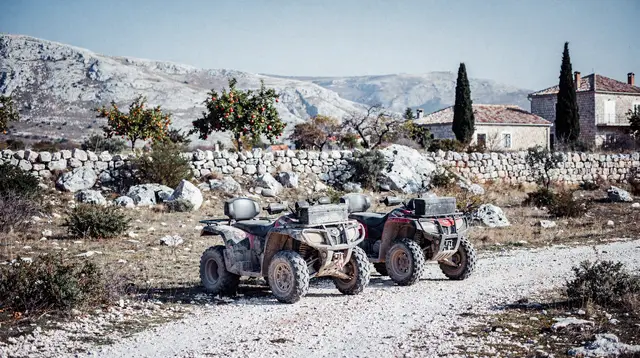
GetYourGuide does not provide a product photo for this activity — the image shows the meeting point, photographed by us.