Jumping from the Stari Most: How the Club Mostari Experience Works
Can a tourist jump from the Stari Most, and how does it work?
Yes, but only through Club Mostari, the club that has organized the bridge's jumps since 1994. Tourists first do a training jump from a lower platform, then the real jump from the bridge deck, for around 25 to 30 euros including club membership. Jumping without the club is not how this works and is genuinely dangerous.
The jump most visitors never realize they can actually do
Everyone who stands on the Stari Most for a few minutes eventually asks the same question: could I jump from here myself? The answer is yes, but not the way it looks from the parapet. The dramatic head-first dives you see performed for a crowd are the work of trained members of Club Mostari, a different and separate thing from the touristic experience this page covers.
What a visitor can actually book is a supervised, feet-first jump organized by that same club, built specifically around a training jump first and the real jump second. If you came here hoping to understand the professional divers’ show itself, that story lives on its own page: watching the divers of the Stari Most. This page is for people who want to jump themselves.
Who actually runs this, and why it matters
Bridge jumping at Mostar is not an informal local tradition anyone can improvise. Club Mostari, founded in 1994, organizes and trains jumpers, some of them from childhood, and runs the competitions where divers compete on form for head-first and feet-first jumps. That same club is the only route into a supervised tourist jump. There is no ticket booth, no fixed daily schedule posted online, and no version of this experience that happens without a club member present, assessing you, and giving the go-ahead. Anyone who tells you it is fine to just climb over the parapet unsupervised is describing a genuinely dangerous stunt, not the touristic activity this guide is about.
Approaching a club member near the bridge on the day is, in practice, how most visitors sign up. There is no need to book weeks in advance, but there is also no guarantee a jump happens on any given afternoon: weather, river level, and club availability all play a part.
Step by step: how the experience actually unfolds
- Find the club near the bridge. Club Mostari members are usually visible around the Stari Most approach on the west or east bank, often collecting tips from onlookers between jumps. This is where you make contact and ask about the tourist jump.
- Pay and register. The price is on the order of 25 to 30 euros, generally paid in cash on the spot. That fee usually covers a nominal lifetime membership to the club alongside the two jumps, though the exact bundle can vary slightly by who you deal with.
- The training jump. Rather than sending a first-timer straight off the bridge deck, the club has you jump first from a lower platform closer to the water. This checks your entry form, confirms you can handle the cold water and the current, and lets an experienced member judge whether you are ready for the real thing.
- The real jump. Once cleared, you climb onto the bridge parapet itself, roughly 24 meters above the Neretva at typical summer water levels (more in winter, when the river runs lower), and jump feet-first on the club member’s signal, timed to the current below.
- Getting out of the river. Stone steps and a supervised exit point bring you back onto the bank, where a towel and dry clothes make the next few minutes considerably more comfortable.
None of these steps are things you arrange from home in advance. They happen in person, on the day, with the club controlling the pace.
What it costs, in context
| Item | Typical cost | Notes |
|---|---|---|
| Tourist jump package (training jump + bridge jump) | ~25–30 EUR | Usually includes nominal lifetime club membership; cash preferred |
| Mosque entry with minaret view of the bridge | ~6–15 KM (3–8 EUR) | Separate activity, not required for the jump |
| Towel or dry clothes | Bring your own | Not typically supplied by the club |
Prices here are an order of magnitude, not a fixed tariff: sources and club members themselves describe the package slightly differently, and it is worth confirming the exact price and inclusions on the spot before you commit. Euros are usually accepted, but expect change in convertible marks — see our guide to paying in convertible marks if this currency is new to you.
Is it actually safe?
This is a real jump into a real river from a real height, and it should be treated with the seriousness that implies. The Neretva’s current, its cold temperature even in summer, and the entry angle needed to jump safely are exactly why Club Mostari exists and why the training jump comes first. A club member assessing your jump from the lower platform is not a formality; it is the point at which someone experienced decides whether sending you off the bridge deck itself is a good idea that day.
That said, this is also a tradition with genuine depth: bridge jumping here is documented as far back as 1664, and the club that trains today’s jumpers has been doing this since 1994. Treat the activity with respect, listen to instructions, and do not attempt any version of this without the club present. If cold water, height, or strong currents are a concern for you personally, watching from the bank or from a nearby café is a perfectly good way to experience the bridge — see our guide to the professional divers for that angle instead.
Training jump versus the real jump: what actually changes
The lower platform used for the training jump is meaningfully shorter than the bridge deck itself, which is why it exists: it lets you feel the water, the entry, and the general sensation of the jump before doing it from height. The real jump from the bridge parapet is not simply “the same thing, higher” — the extra height changes your fall time, the force of the entry, and how much composure you need in the seconds before you go. Skipping the training jump is not something the club offers, and that sequencing is one of the main reasons the touristic jump has a good safety record compared to unsupervised attempts.
When to go: timing the crowd, the heat, and the light
Mostar is the hottest city in Bosnia and Herzegovina, and the bridge deck and its approaches offer almost no shade. Combine that with the fact that midday in July and August brings the thickest tour-bus crowds to the old town, and you get a parapet that is both baking hot and crowded with onlookers exactly when you might least want to wait your turn.
Early morning or the couple of hours before sunset tend to be calmer, cooler, and give the club members more room to work with jumpers without an audience pressing in. If you are also weighing when to visit Mostar overall, our month-by-month guide and notes on how many days to spend here can help you build the jump into a wider plan rather than a rushed afternoon stop.
Understanding the divers before you decide
Watching a few professional jumps before attempting your own is genuinely useful, not just for entertainment. It shows you the entry technique, the timing against the current, and the confidence the club expects from an experienced diver, all of which puts the touristic jump in perspective. Our dedicated page on watching the Stari Most divers covers the professional show, the tip-based system, and how competitions work — useful context, but a genuinely separate experience from the one covered here.
Around the bridge: what else fills the rest of your day
The jump itself takes a short window of time, and most visitors build it into a longer stop at the Stari Most and the old town around it. A guided walk through the old town and the bridge’s mosque viewpoint is a good way to understand what you are looking at before or after the jump:
this old town walking tour that includes the Stari Most mosque viewpoint covers the layout of the bridge district with a local guide, which helps make sense of where the club operates and where the best vantage points sit.
If you would rather explore independently with a map in hand and a narrated route, this self-guided route from Spanish Square down to the Old Bridge traces the walk most jumpers end up doing anyway on the way to and from the club.
For those who want to dodge the worst of the midday heat entirely, this evening old town tour built specifically to avoid the daytime heat pairs naturally with a late-afternoon jump, when the crowds thin and the light softens.
Travelers who prefer a guide dedicated just to them, with room to linger at the bridge before or after jumping, might look at this private walking tour with a local guide, which can be timed flexibly around your jump.
And for visitors arriving from further afield who want the bridge and old town covered as part of a single organized outing, this guided day tour of Mostar from Imotski includes time at the Stari Most itself.
None of these tours include the jump — that stays strictly a Club Mostari arrangement, paid in person — but they fill out the rest of a day built around the bridge.
Practical checklist before you jump
- Bring cash, in euros or convertible marks, since the club is paid directly and on the spot.
- Wear a swimsuit under your clothes so you are not changing streamside.
- Pack a towel and a dry change of clothes, since the Neretva stays cold even in the height of summer.
- Expect stone steps and uneven, wet surfaces on the way back up from the river.
- Do not attempt any version of this without a club member present — this is the single point that separates a supervised, decades-old tradition from a genuinely dangerous stunt.
- Check current conditions on the day. River level, weather, and club availability all affect whether jumps are running when you arrive.
Jumping from the Stari Most: your questions answered
Can anyone just climb onto the Stari Most and jump on their own?
No. The bridge deck is roughly 24 meters above the Neretva in summer, more in winter, and the river below hides currents and a narrow safe landing zone. Club Mostari trains and supervises every tourist jump; jumping without them is unsupervised and dangerous, not a shortcut.
How much does the Club Mostari tourist jump cost?
Budget on the order of 25 to 30 euros, usually paid in cash to the club near the bridge. That price generally bundles a training jump, the real jump from the bridge deck, and a nominal lifetime club membership, though the exact package can vary.
Do I need to train before jumping from the bridge itself?
Yes. Club Mostari has you jump first from a lower platform to check your form and your nerve, and only clears you for the bridge deck afterward. Skipping straight to the real jump is not offered and would not be safe.
Is the jump dangerous?
It carries real risk, which is exactly why it is supervised. Club Mostari members have jumped since 1664 and train specifically to manage entry angle, timing with the current, and cold-water shock, but a touristic jump is a physical challenge, not a formality.
What is the difference between watching the professional divers and doing the tourist jump myself?
The professional divers perform for tips and at organized competitions, often diving head-first from the parapet with years of practice. The tourist jump is a separate, gentler package: a feet-first jump, after training, aimed at visitors rather than performers.
What should I wear and bring for the jump?
A swimsuit under your clothes, a towel, and cash in euros or convertible marks. The water is cold even in high summer, so many jumpers bring a dry change of clothes and shoes with grip for the wet stone steps back up from the river.
What time of day is best for the jump?
Mornings and late afternoons are calmer, with fewer tour groups crowding the bridge deck and the parapet. Midday in July and August brings the thickest crowds and the harshest heat, both of which make waiting your turn less pleasant.
Can children or older visitors do this jump?
Club Mostari sets its own age and health expectations on the day, and the jump demands genuine physical confidence in cold, moving water. This is an activity for able adults who want to jump themselves, not a family sideshow to watch from the bank.
Old Bridge (Stari Most) and Old Town tours on GetYourGuide
Verified deep-linked GetYourGuide tours. Book through these links and we earn a small commission at no cost to you.
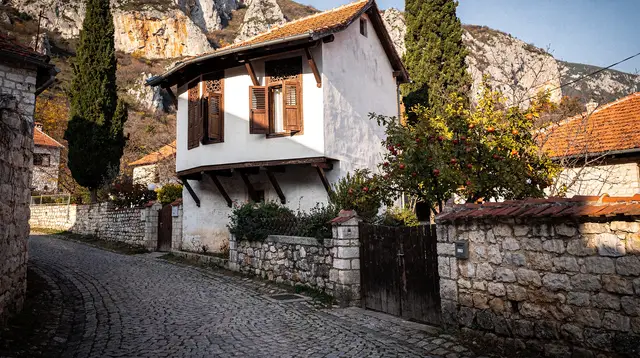
GetYourGuide does not provide a product photo for this activity — the image shows the meeting point, photographed by us.